Activities & Ranthambore Tiger Safari
Everything worth doing around Sawai Madhopur — with our desk handling the paperwork for your tiger safari.
Book your Ranthambore safari early with us
Safari seats are allotted zone-wise and sell out fast in peak season — reserve now so our desk can secure your preferred zone and timing.
Major activities in Ranthambore
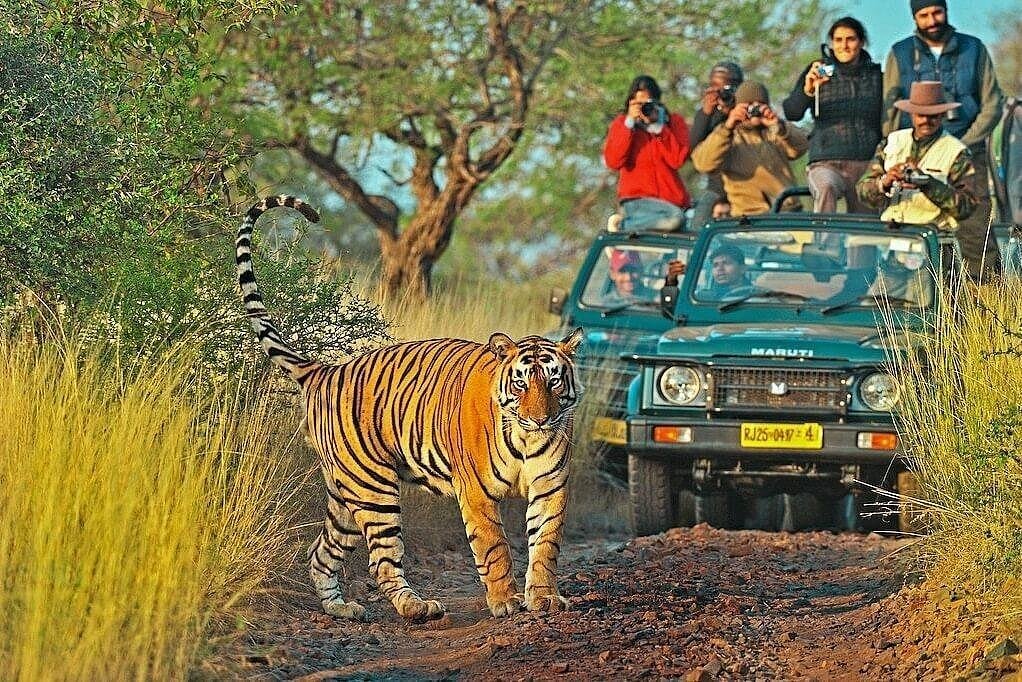
Ranthambore Tiger Safari
Gypsy and Canter safaris into Ranthambore National Park with experienced local guides, chasing sightings of the Royal Bengal Tiger across zones 2, 3 and 4.
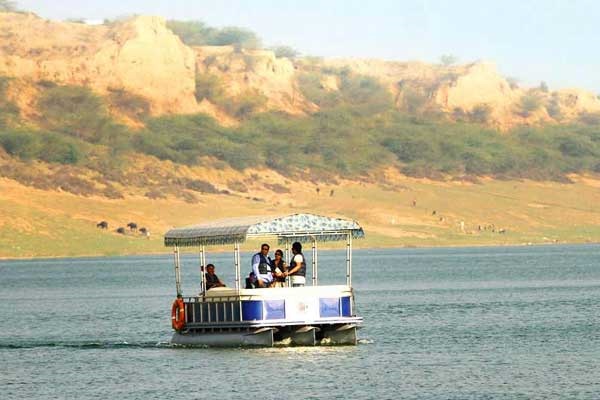
Chambal Gharial Sanctuary
The National Chambal Gharial Sanctuary near Sawai Madhopur is known for rare gharials and river boating — a popular add-on after the jungle safari.
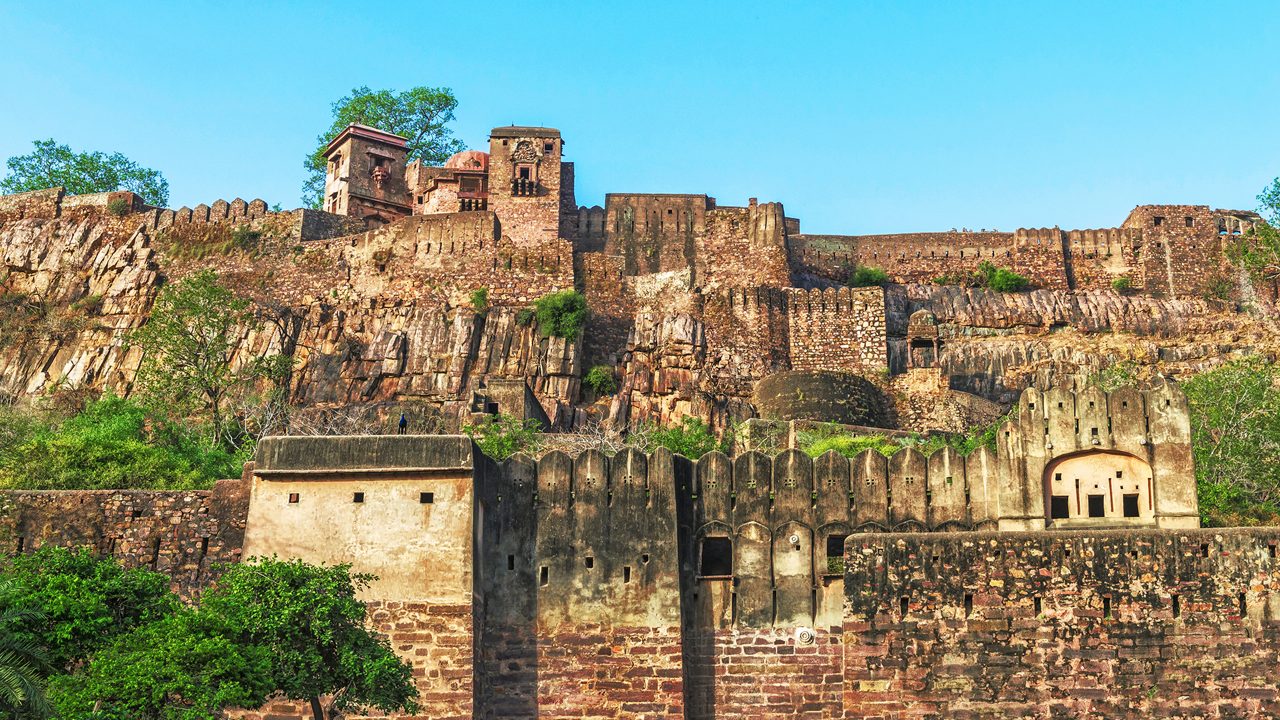
Ranthambore Fort
A UNESCO World Heritage Site and one of Rajasthan's oldest forts, built atop a hill inside the park with sweeping views over forest, lakes and valley.
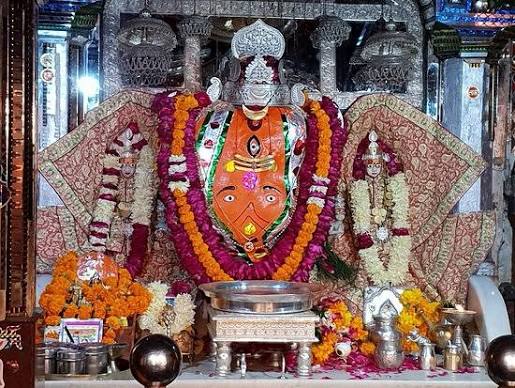
Trinetra Ganesha Temple
Inside Ranthambore Fort, famous for its three-eyed idol and known as "Chitthi Wale Ganesh Ji" — devotees send letters seeking the deity's blessings.
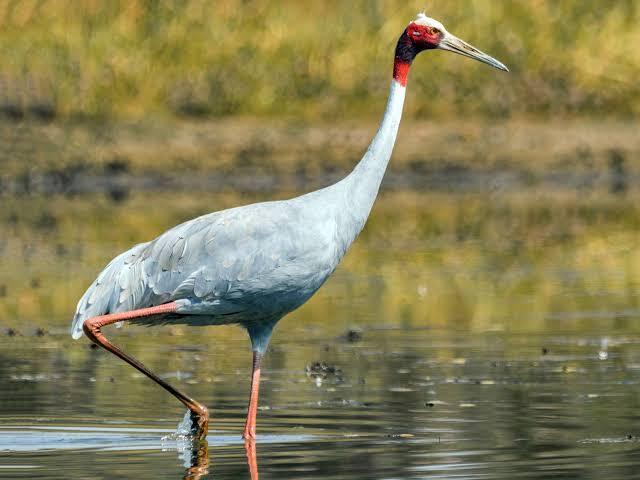
Birdwatching
Padam Talab, Malik Lake and Surwal Lake around Ranthambore draw a striking variety of resident and migratory birds, best spotted at dawn.

Fort Hiking
A walking route up to Ranthambore Fort through forest paths, with viewpoints over the Aravalli and Vindhya ranges along the way.
Ranthambore Safari Zones | Zone 1 to 10,
Ranthambore National Park is split into 10 numbered safari zones — Zones 1 to 5 are the core zones entered from the main Sawai Madhopur gate, and Zones 6 to 10 are the buffer zones entered from the far side of the reserve. Tiger territories shift with the seasons, so treat the notes below as a general guide rather than a guarantee.
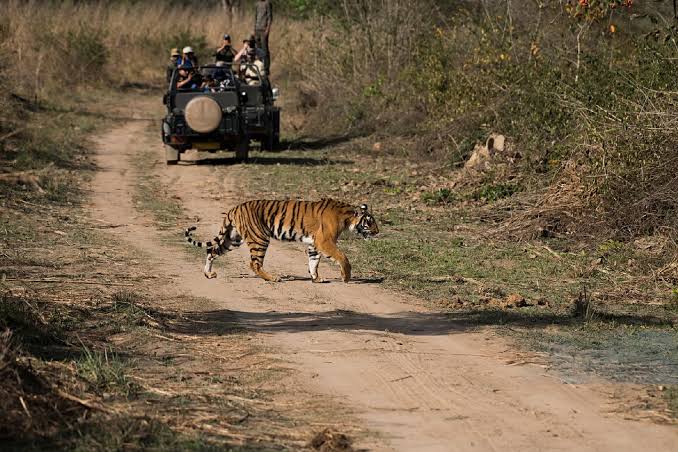
Zone 1
Entered through Singh Dwar, this rocky, rugged core zone runs through Kala-Peela Pani, Gada Doob and Sultanpur. It became one of Ranthambore's most talked-about zones when tigress Noor and her cubs were sighted here regularly.
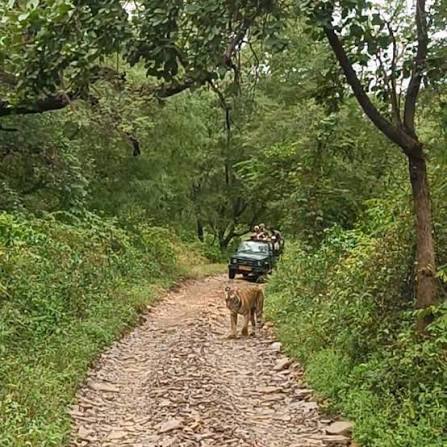
Zone 2
One of the most important zones in the park, dotted with numerous water holes around Nalghati and the Mandook Plateau. Tigers, leopards and a wide range of prey species gather here to drink, making it a reliable sighting zone.
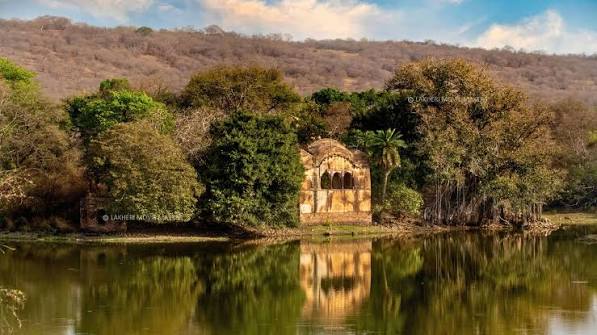
Zone 3
A core zone bordering the lake belt, with old fort-era ruins scattered through the forest. A favourite among photographers for framing tigers against Ranthambore's crumbling stone pavilions and ancient banyan trees.
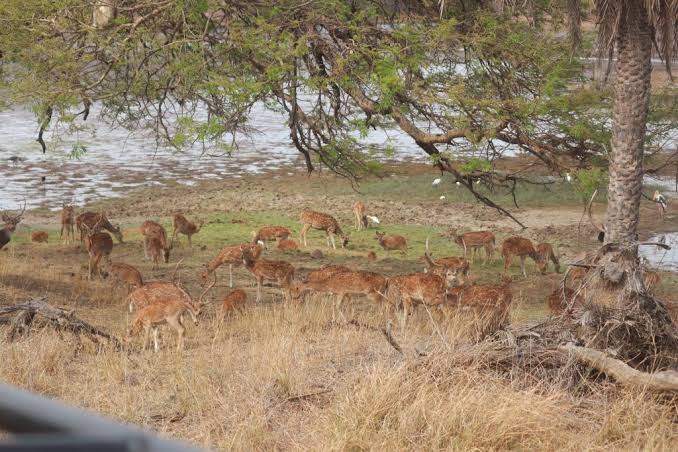
Zone 4
Widely considered Ranthambore's showpiece zone — Padam Talab, Rajbagh Talab and Malik Talab all sit inside it. This was Machli's historic hunting ground, and her descendants still rule these lakesides today.
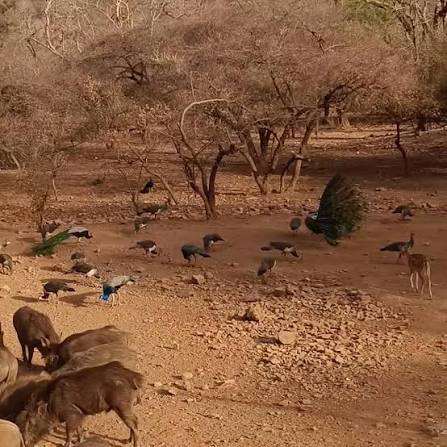
Zone 5
A denser, quieter core zone through the Lakarda-Anantpura belt. Fewer vehicles pass through here than Zones 3 and 4, so it suits guests who want strong sighting odds with a less crowded feel.
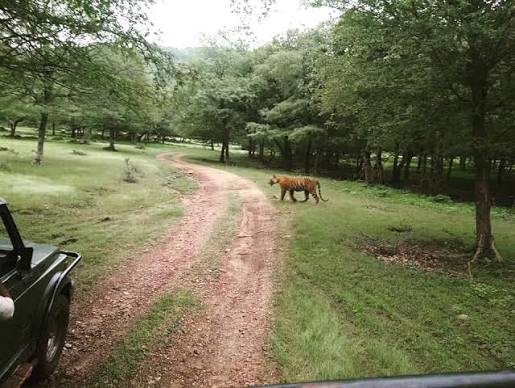
Zone 6 — Kundal
The first of the buffer zones and a landscape apart from the rest of the park — hillier, with excellent birding, including sightings of the endangered red-headed vulture, alongside genuine tiger and leopard chances.
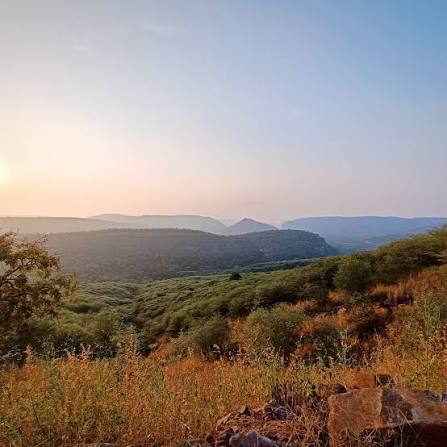
Zone 7
Hillier buffer terrain with sweeping Aravalli ridge views and noticeably fewer vehicles than the core zones — a calmer, more scenic safari with decent tiger and leopard odds.
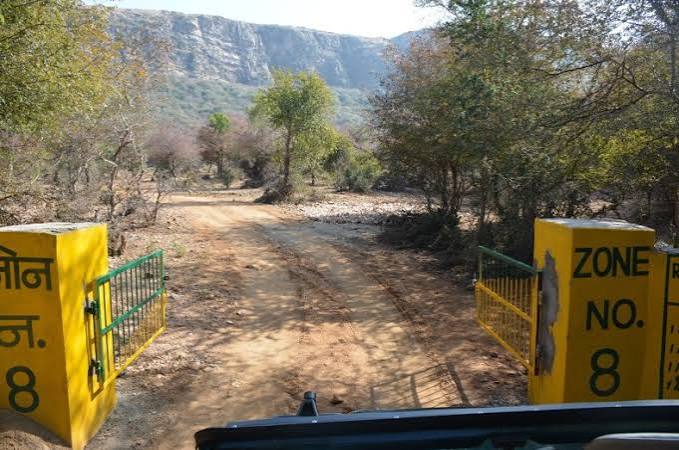
Zone 8
Rugged, hilly habitat that suits leopards, hyena and sloth bear as much as tigers. A solid back-up choice when core zone permits are sold out for your preferred dates.
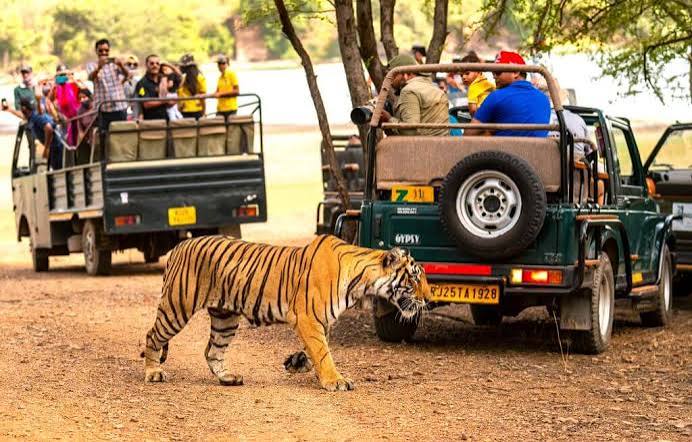
Zone 9
Mixed grassland-and-hill terrain bordering Zone 10, with tracks around Kushalipura and Bodal. A good all-round wildlife zone beyond just tiger sightings.
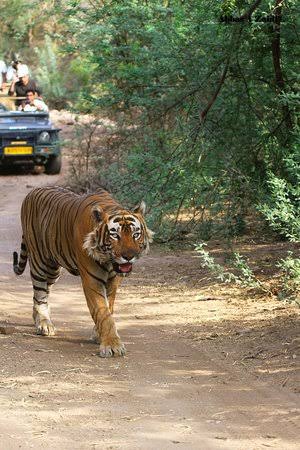
Zone 10 — Aantri
The furthest buffer zone, covering Aantri, Kushalipura, Bodal, Halonda and Banskhori. A strong winter birding zone that also holds its own resident tiger territories.
Where the sightings are
Ranthambore National Park is divided into 10 safari zones. Zones 1–5 are the core zones, while Zones 6–10 are the buffer zones. Tiger activity and sightings can vary from zone to zone and depend on wildlife movement. Safari tickets are subject to availability, so it is recommended to book your safari well in advance for a better chance of getting your preferred zone and maximizing your chances of a good wildlife sighting.
Safari cost per person
Indicative pricing — confirm exact rates with our desk as they vary slightly by season, zone and forest department revisions.
Legendary tigers of Ranthambore
Every zone has a story, and most of Ranthambore's stories trace back to one family line. Here are the tigers guests ask our desk about most.
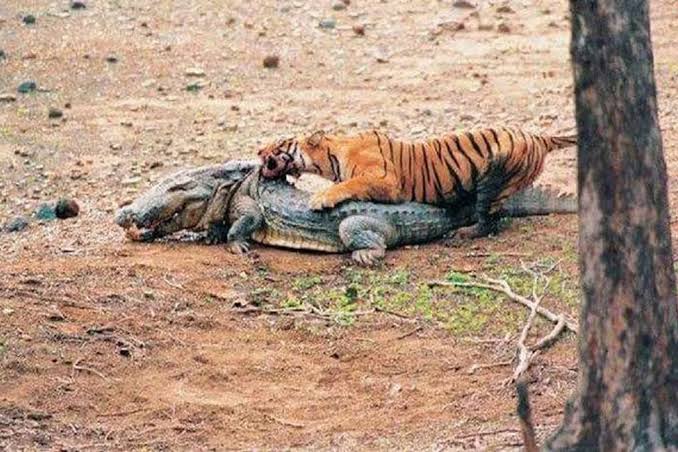
Machli
Ranthambore's most famous tigress, born in 1996 and remembered for a legendary, hours-long battle with a crocodile. She raised litter after litter around the Zone 4 lakes and became the subject of multiple wildlife documentaries before her death in 2016 — her bloodline still rules the park today.
Krishna
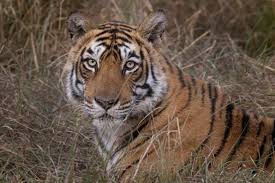
Machli's daughter and, for years, the tigress with the single largest territory in the reserve, centred on Zone 2's Nalghati belt. Krishna was one of the most reliably sighted tigresses in Ranthambore before passing away in 2023.
Noor
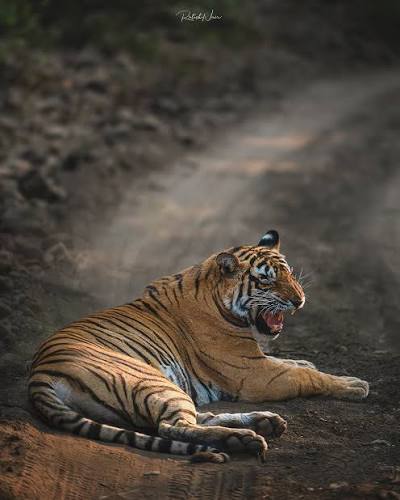
Instantly recognisable by the trident-shaped mark above her eye, Noor made Zone 1 one of the park's most popular zones during 2016–17 when she was seen there often with her cubs, including her son Sultan.
Ustad
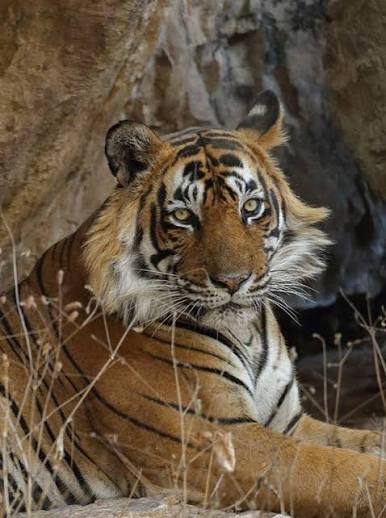
A powerful, historically dominant male whose territory covered some of Ranthambore's most visited tracks. After being linked to a series of human-tiger conflict incidents, Ustad was relocated to Udaipur's Sajjangarh Biological Park.
Arrowhead
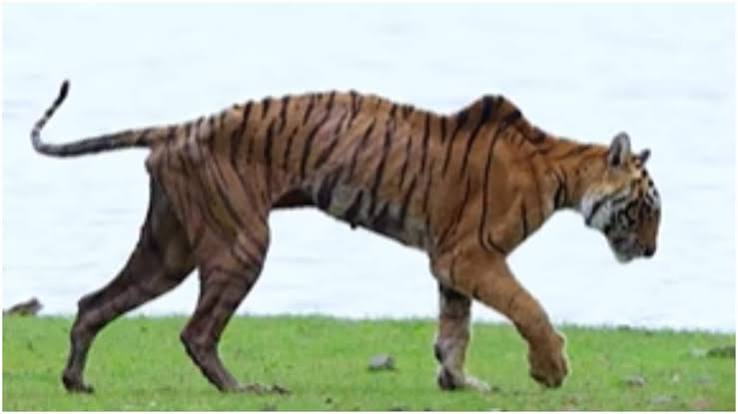
Named for the arrow-shaped mark on her forehead, Arrowhead is Krishna's granddaughter and one of the most photographed tigresses of her generation, having held the prized Padam Talab–Rajbagh–Malik Talab lake territory in Zone 3 and Zone 4 for years.
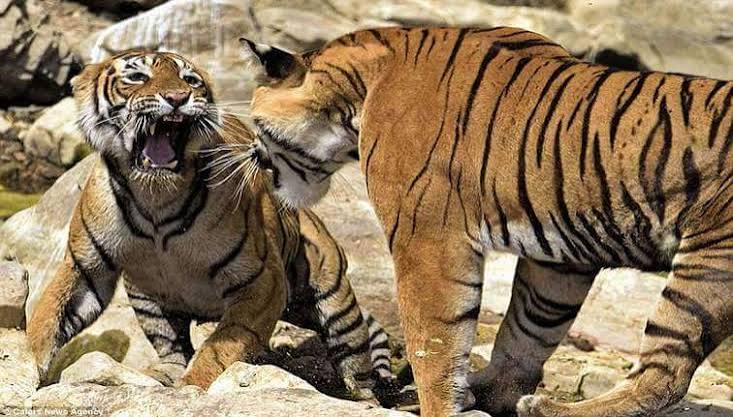
Riddhi & Siddhi
Arrowhead's daughters and Machli's great-great-grandcubs, now the park's best-known young queens, contesting and sharing the lake zones with cubs of their own — often spotted around Padam Talab and Rajbagh Talab.
Tiger names, territories and even numbers change as cubs mature and older tigers move on — ask our safari desk for the latest sightings reported by naturalists in the park before your trip.
How to get the best tiger sighting
Book two safaris, not one
One morning and one evening safari, ideally in different zones, roughly doubles your chances of a tiger crossing your path over a single visit.
Lean toward Zones 3, 4 and 5
These core zones have historically delivered the highest sighting rates thanks to the lake belt and dense water sources — but don't write off the buffer zones, especially when core permits are sold out.
Time your visit for October–March
Cooler weather and clearer forest tracks make tigers easier to spot. April to June is hotter but pushes tigers toward waterholes at predictable hours — a trade-off worth knowing about.
Stay quiet and follow your guide
Muted clothing, low voices and patience matter more than luck. Noise from excited vehicles is the single biggest reason safaris come back without a sighting.
Book well ahead of your dates
The forest department releases a fixed number of seats per zone, per safari, per day. Weekends and the December–February peak season sell out fastest, so let our desk lock in your slot early.